The Betrayal of Medusa: Monster or Victim?
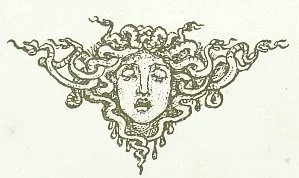
If mythology is famous for anything, it’s for its tales of betrayal, spiteful gods and tragedy. Most of us are familiar with the story of Orion, killed by the Earth goddess Gaia for boasting too loudly of his hunting skills, or poor Andromeda, chained to a rock by her own parents as a sacrifice to the sea monster Cetus. But perhaps the most tragic of them all is that of the gorgon Medusa. Throughout popular culture, Medusa was mostly portrayed as nothing more than a black-hearted monster, intent on destroying any living soul that entered her domain. Yet if we were to look at the why behind her terrible circumstances, we might see her as the greatest victim of all.
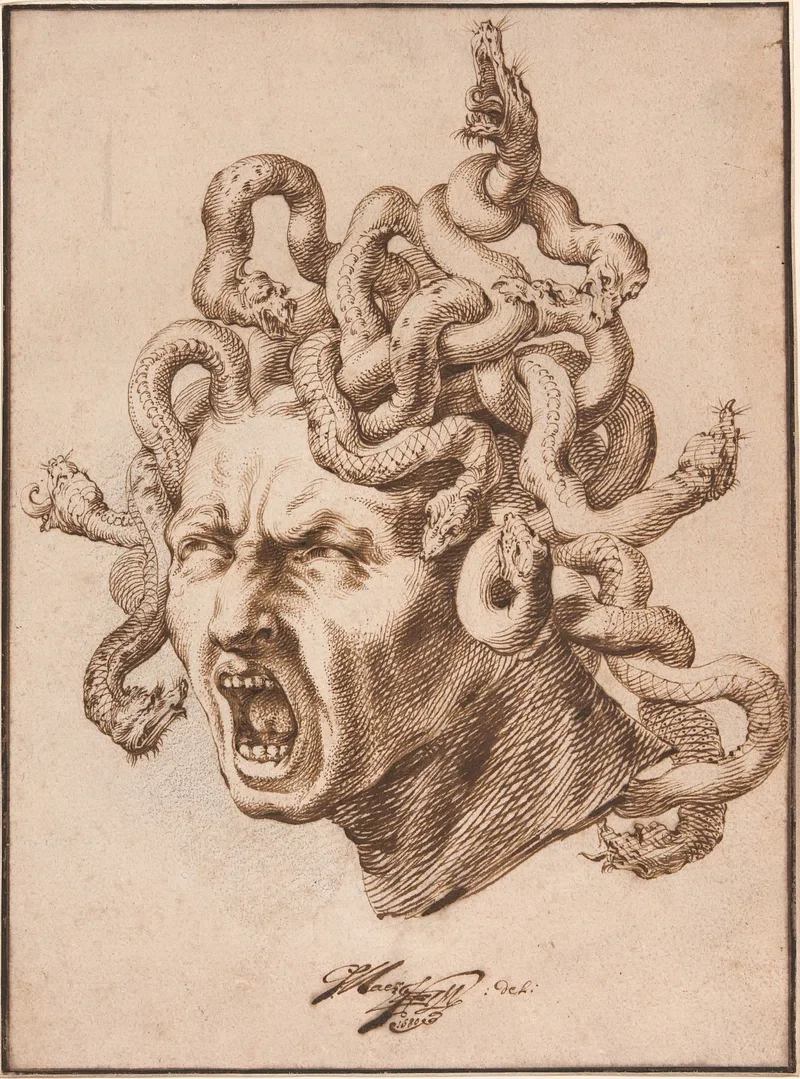
Before her transformation, Medusa was a beautiful and gentle young woman, devoted to the goddess Athena. But when she was violated by the sea god Poseidon in Athena’s temple, she was punished instead of protected, with her attacker facing no consequences for his actions. Medusa’s beloved goddess Athena turned against her, betraying her innocence and devotion with unimaginable cruelty. Medusa’s hair became snakes, her face so fearsome it could turn those she gazed upon to stone, and her story reduced to that of a monster. She was abandoned and tormented in her time of need, left to live out the rest of her days in isolation, because even behind her understandable rage, she was still thinking of others. Over the years, Medusa was pursued by would-be heroes, until she was eventually beheaded by Perseus.
Her fate remains one of the greatest injustices in all mythology.
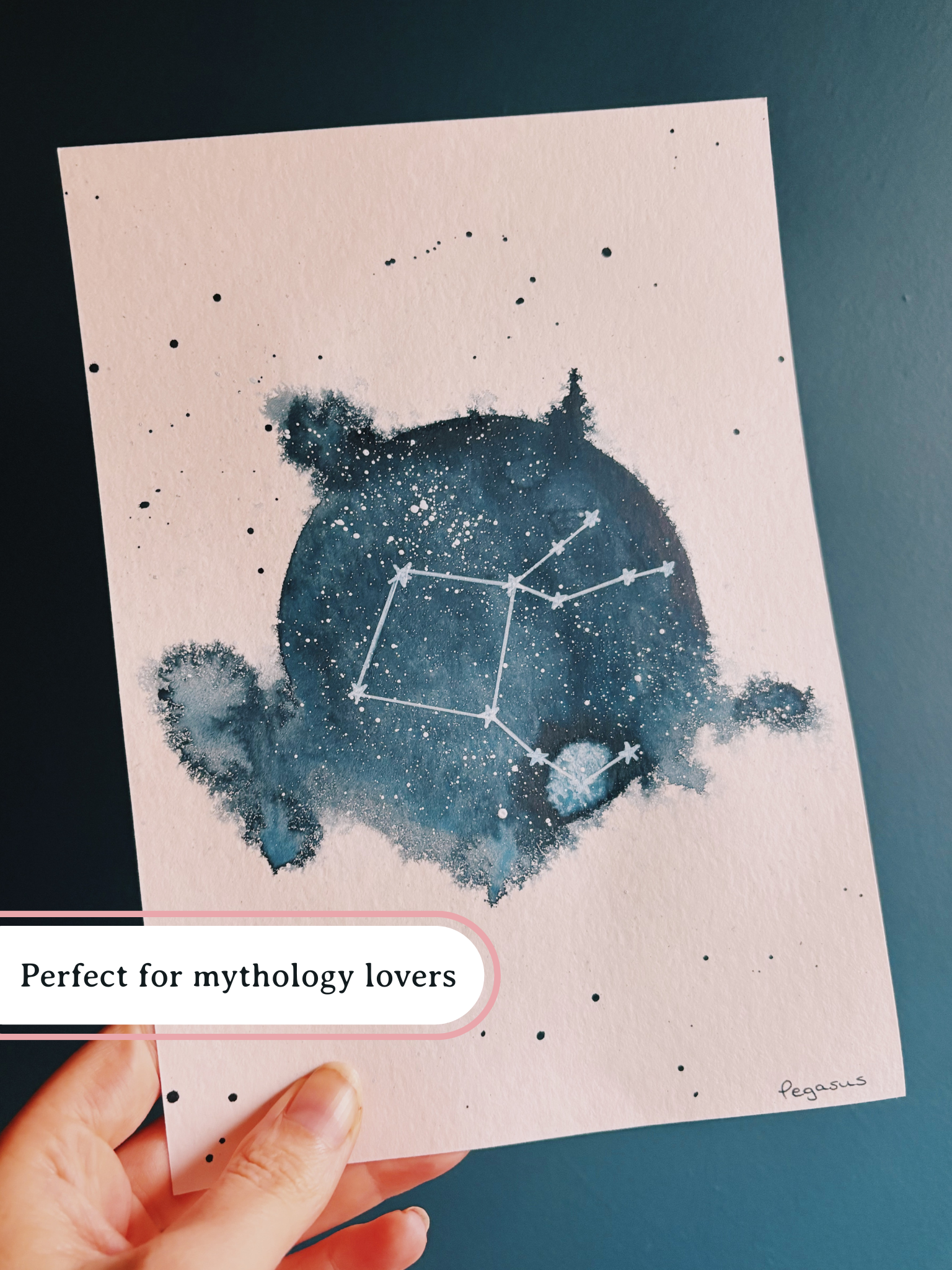
From that injustice, Pegasus, the famous white-winged horse was born. It’s said he sprung from the neck of Medusa when she was slain and went on to aid the hero Bellerophon in his quest to defeat the fire-breathing Chimera. Eventually he went on to serve in Olympus, charged with carrying Zeus’ lightning and thunder bolts who placed him in the stars as a constellation to honour him.
Perhaps it should be Medusa placed among the stars — not as punishment, but as atonement from the gods, and a way for her story to finally be seen for what it was.
Pegasus is part of the new Myths & Legends collection, which aims to bring ancient tales back to life through delicate, hand-painted constellations and lovingly written history notes.